Starting school is an exciting milestone – for your child and for you. Find out how everyday moments at home can help your child feel confident and prepared, whatever stage they’re at.
Last updated: 22 September, 2026
Is your child starting school soon?
Starting school is a big step. You may be worried that they’re not ready, but when it comes to preparing for school, you’re probably already doing more than you think.
Simple, everyday moments like chatting, playing, reading together and encouraging independence all help build the skills that help them to feel confident. It’s not about ticking off a list – it’s about small steps that add up over time.
Whether your child is starting school this September or in the years ahead, you can start to practise these skills together now. Building these habits early supports their development and helps them settle into school with confidence.
Every child is different
Children develop at different rates and in different ways but all children will benefit from support and preparation.
If your child has special education needs or disabilities (SEND), preparing for school can feel like a particularly emotional time and it’s important to know that you don’t have to navigate it alone. Schools are experienced at supporting children with a wide range of needs and will work with you to put the right support in place from the start.
If you have any concerns about your child’s development, your health visitor, GP or the school’s Special Educational Needs Coordinator (SENCO) will be happy to help. You can also contact your local SENDIAS service (Special Educational Needs and Disabilities Information, Advice and Support) for free, impartial guidance, or visit your local Best Start Family Hub.
Preparing for school – sometimes called school readiness – is about your child building the confidence, skills and habits that will help them to feel like they belong, make friends and get the most out of their learning opportunities.
The Starting Reception website has a wealth of information and advice to support parents to help their children prepare for school. This includes hints and tips that will help with:
Communication – skills that will help them communicate their needs and experiences, in whatever way works for them, and being able to listen and follow simple instructions.
Independence – skills to help children take care of themselves, like using the toilet, with a little help where needed.
Social and emotional skills – beginning to understand their own feelings and those of others, and to play and share with other children.
Physical development – developing strength and skills through activity such as running, climbing, jumping, crawling or moving parts of their body. This could be with support for children with limited mobility.
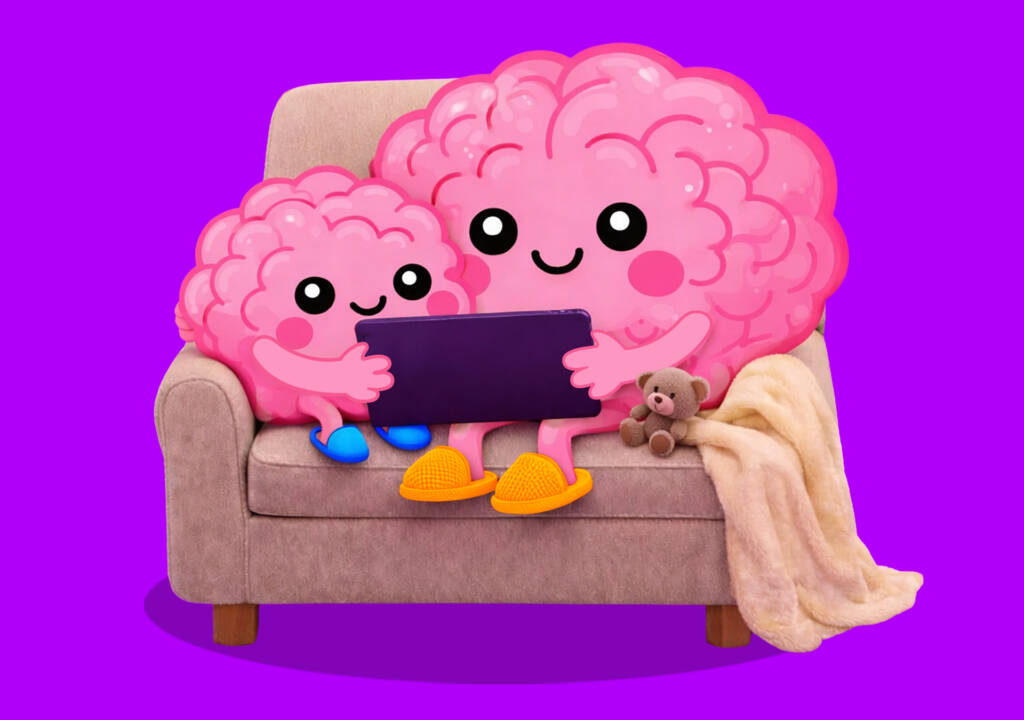
Healthy routines – Building healthy routines that will help children stay healthy, such as limiting screen time to an hour a day or less for 2 to 5 year olds, brushing teeth twice a day and going to bed around the same time each night.
Watch MC Grammar’s ‘Steps for School’ song with your child for a fun way to start to practise everyday skills together.
Steps for School: skills to practise together
Here are some examples of the kinds of things that can help your child feel more comfortable and confident at school. Every child is different – these are suggestions, not a checklist, and there is plenty more helpful advice on the Starting Reception website.
Using the toilet and washing their hands
It’s best for children’s bowel and bladder health to be out of nappies by 18-30 months, unless they have a diagnosed medical need such as a bowel or bladder condition. Using the toilet independently and washing their hands afterwards encourages self-care skills during the school day and helps them stay healthy.
Tips to try at home: Practise the routine together – wash hands after the loo, before meals and after playing outside. Make it fun with a short song while they wash.
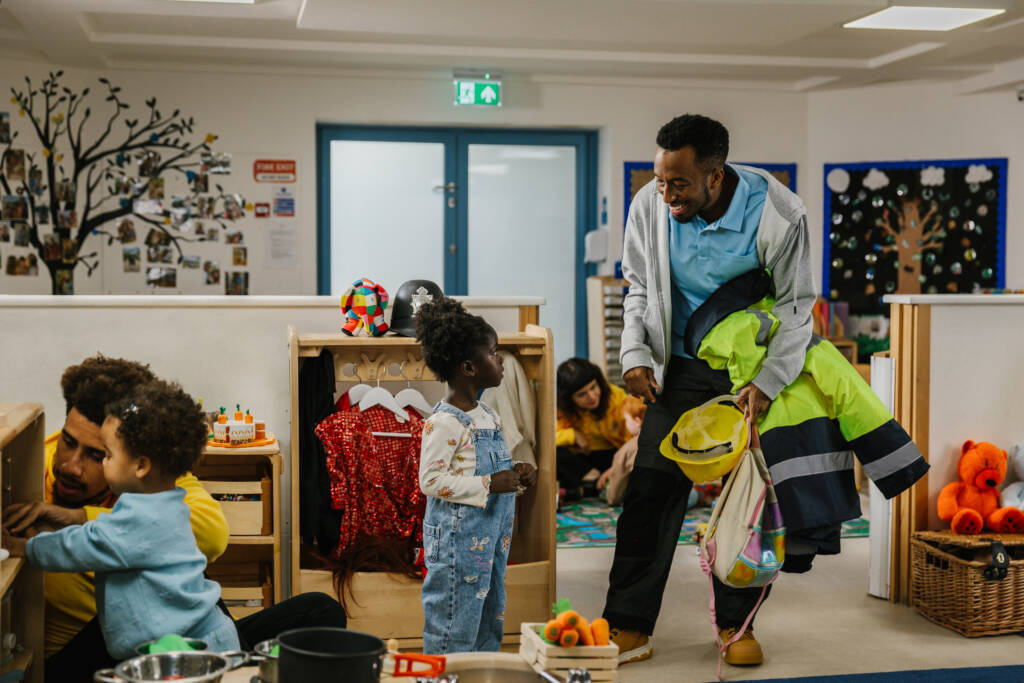
Putting on and taking off their coat and shoes helps children during playtime, PE or through the school day. It helps your child to establish routines and learn independence.
Tips to try at home: Try to give your child time to try and dress themselves in the morning rather than rushing to help. Velcro shoes and zip-up coats can make things easier while they’re building confidence.
Eating independently
Eating their lunch independently helps children to make choices about their food and develop fine motor skills which help with lots of different activities.
Tips to try at home: Give your child plenty of chances to feed themselves during mealtimes, using whatever tools work for them – a spoon, fork, chopsticks or anything else that suits your family’s food and routine. If your child is likely to have a packed lunch at school, practise opening their lunchbox and unwrapping packaging at home. Encouraging independence at the table is what matters most.
Communicating their wants and needs
Letting an adult know if they need help, feel unwell, are thirsty or need the toilet is really important for your child’s wellbeing at school.
Tips to try at home: Help your child practise expressing their needs in the way that works for them – whether that’s saying or signing “I need a drink”, pointing to a picture card, or using a communication device. You can also help them begin to express how they’re feeling: ‘Are you feeling thirsty? Tired? Scared?’ – again, in whatever way feels natural for your child.
Remember: Every child communicates differently, verbal or non-verbal. Some children use signs, symbols, pictures or devices – whatever works for your child is brilliant. Let their school know what works best so they can support them from day one.
Listening to and following simple instructions
Listening to an adult and following a simple instruction – like ‘put your bag on the peg” is a really useful skill for your child to develop.
Tips to try at home: Play games where you ask them to copy your actions: ‘Can you touch your toes?’, or give your child one or two instructions as part of a daily routine: ‘Can you get your shoes and wait by the door?’ Praise them when they listen well, however that looks for your child.
Remember: Some children find processing instructions tricky, or may respond better to visual cues, gestures or a gentle touch alongside words. Whatever helps your child understand and feel confident is the right approach.
Interacting happily with others
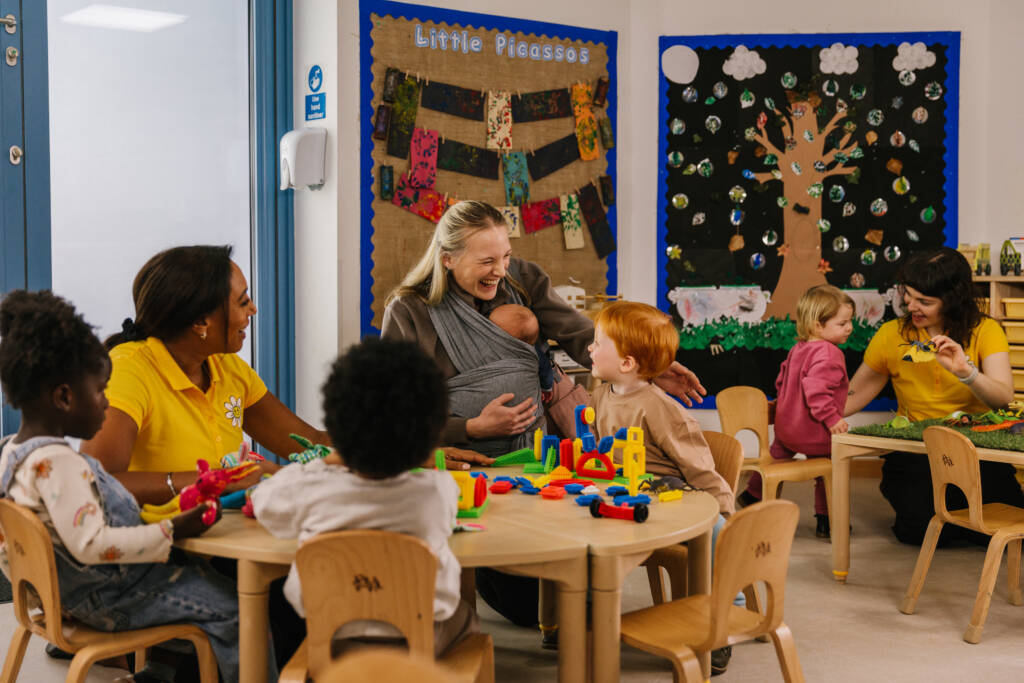
Feeling at ease around other children and adults helps your child settle into school life and begin to form friendships.
Tips to try at home: Give your child opportunities to spend time with other children – at playgroups, the park or with family friends. Don’t worry if they aren’t talking to other children; just being around others and playing alongside them builds confidence over time. Follow their lead.
Remember: Some children take longer to feel comfortable interacting with unfamiliar adults or children, and that’s completely normal. Let their school know how your child tends to approach new situations so staff can support them gently from day one.
Paying attention for short periods of time
Focusing on an activity or listening to a story for a short time helps children begin to engage with learning at school.
Tips to try at home: Build short, focused activities into your routines – reading together, doing a simple puzzle, or playing a calm game. Little and often works well. Don’t worry if their attention wanders; that’s normal at this age.
Sharing and taking turns
Beginning to share and take turns helps children play with others, understand the need to wait for instructions and feel part of a group.
Tips to try at home: Look for natural opportunities during play – board games, building together, or passing a ball back and forth. Keep it light and playful. Learning to wait and share takes time, and it’s a skill that develops gradually.
Beginning to recognise and talk about feelings
Starting to recognise their own feelings – and notice that others have feelings too – helps children start to manage their emotions, build friendships and develop empathy for others.
Tips to try at home: Use everyday moments to talk about feelings: “You look a bit worried – how are you feeling?” Books and stories are great for this too – “How do you think that character might be feeling?” There’s no need to have all the answers; just talking openly helps.
Beginning to spend time away from you
Starting to feel comfortable being cared for by other trusted adults helps children feel secure when you’re not there.
Tips to try at home: If your child isn’t already in childcare, try gradually building up short periods of time with other trusted adults – family members, friends or at a local playgroup. Reassure your child that you’ll always come back and try to stay calm at drop-offs even if it feels hard, as children take their cues from us. School will also have a plan to help your child settle in gently.
Use of screens
Digital screens are a part of modern life, but finding the right balance between screen time and other activities for young children can be tricky. If you’re looking for ways to swap screen time for activities that help build the skills above – spending time together chatting, reading, playing, and time outdoors can make a real difference.
There are lots of free resources and local services to help you and your child.
Find flexible, friendly ideas to support your child’s development in a way that works for your family on the Starting Reception website, including guidance for children with SEND and advice on potty training.
From April 2026, Best Start Family Hubs are rolling out across England, offering free, joined-up support for families from pregnancy through early childhood. Find your local Family Hub.
Find ideas, easy tips and activities you can do together with your child to support their development on the NHS Best Start in Life website.
This guidance has been developed in partnership with ‘Starting Reception’, a coalition of early years organisations that developed the starting reception definition. For the full school preparation framework, visit the Starting Reception website.