

Screen time guidance for under 5s
Juggling family life and raising children in a digital world can be challenging. Find out more about how to support healthy screen habits for children under 5.
Last updated: 27 March, 2026
Digital screens are a part of modern life, but finding the right balance between screen time and other activities for young children can be tricky. That’s why we’ve created this evidence‑informed guidance to support parents and carers in shaping healthy screen time habits for little brains.
How much screen time should my child have?
Limit total screen time for young children, wherever possible.
- Under 2 years: Avoid screen time other than for shared activities with family that encourage bonding, interaction and conversation.
- 2-5 years: Try to keep it to 1 hour a day. Less if possible.
Safe Screen Swap
Shared activities could include video calling with friends and family or looking through digital photo albums together.
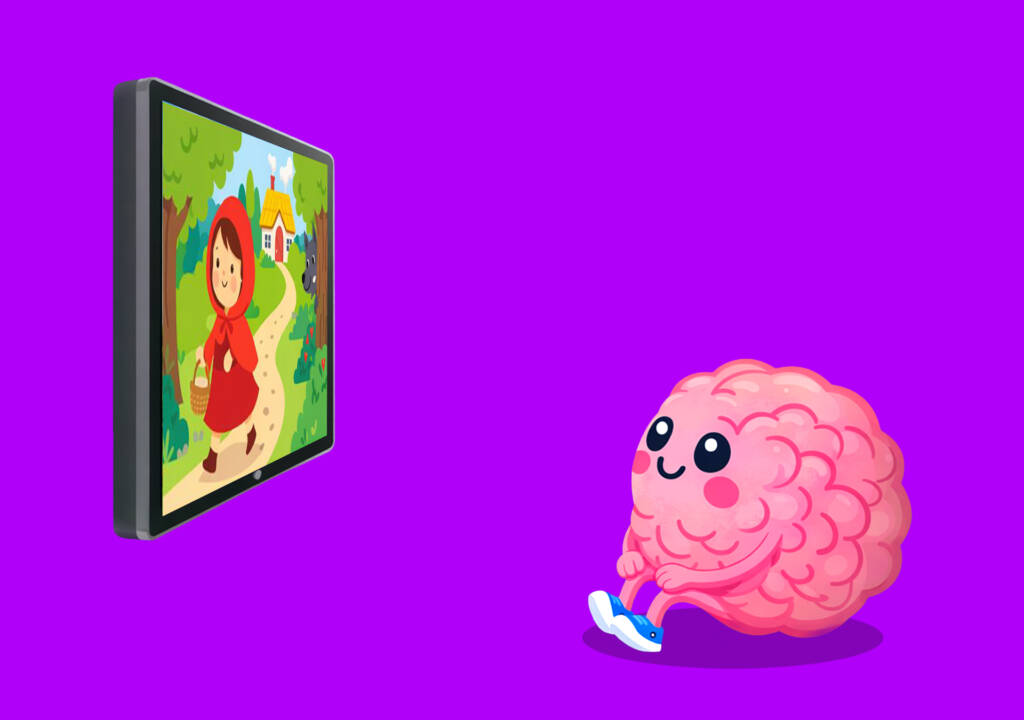
What content is better content?
Young children’s brains are stimulated much more easily than adults’, so they need content specifically made for them.
- Slow-paced content: Slow-paced, predictable content is better for young brains. Fast-paced, over-stimulating social media-style videos may affect how young children learn to concentrate, so it’s best to avoid them.
- Choose safe content: Use parental controls to block inappropriate, harmful content.
- Avoid social media: Social media isn’t made for young brains, so it should be avoided.
- Avoid AI: Don’t let young children use AI toys, tools or chatbots until there’s more evidence on how they affect your child. This includes devices or apps such as interactive robots, smart speakers or AI chat apps.
Safe Screen Swap
Check what your child is watching – look for content with simple stories, fewer scene changes and characters speaking slowly. It should be easy to hear what people are saying and to see the emotions on characters’ faces.
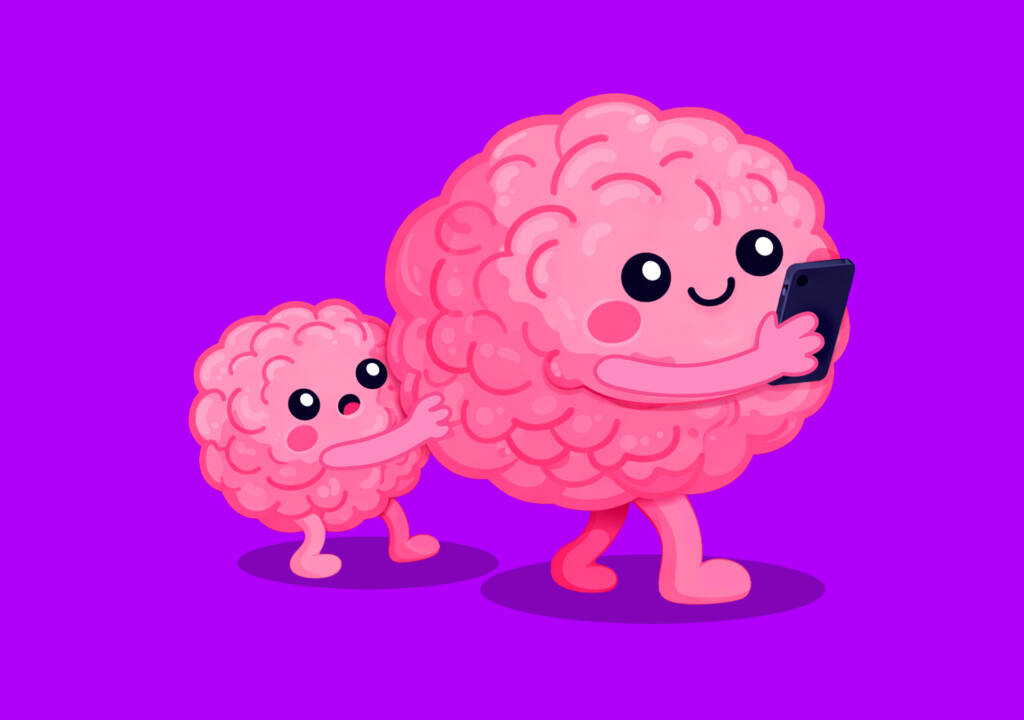
How does my own screen use affect my child?
- Lead by example: Children’s brains are like sponges – they’ll copy your screen use habits. Be mindful of how often you use your phone around your child.
- Being present with your child: Spending long periods on your phone can make it harder to notice what your child is doing or feeling. Young children need attention, interaction and shared moments with their parents and carers to feel secure and supported.

When and where is okay for my child to use screens?
Set clear boundaries for when and where little brains use screens to ensure time for other activities that support their development.
- Avoid young children using screens alone as it reduces opportunities for social time and active play. Try watching and discussing content together with your child as it supports their development and helps you protect them from harmful content.
- Screen-free zones: Keep bedrooms and mealtimes free from screens. This can protect valuable family time and interaction.
- Background watching: Try not to have screens on in the background particularly during family time, meals or playtime. Screens can distract from beneficial activities for your child such as social interaction and active play.
Safe Screen Swaps
- Mealtimes: Try swapping screens for background music, simple conversation, table games, colouring or even ‘I Spy’ with colours or letters.
- Bedtimes: Swap screens for reading bedtime stories together. Try to avoid screens for the hour before bed, as this could affect sleep.

How does screen time affect my child’s development?
- 90% of brain growth happens before age 5. Young children learn best through warm, responsive interactions with parents and carers.
- A large amount of screen time is linked with negative effects on children’s health and development. It can affect social, emotional, language and brain development, sleep, eyesight and healthy weight.
- Reading together, simple games, play and back‑and‑forth conversations all help them develop language, problem‑solving skills, self‑control and social understanding. These early interactions, even before children can talk, create the foundations for every area of their lives.
- Ensure screen time of any kind doesn’t replace sleep, physical activity, active play or direct parent-child interaction.
- Read more about how much sleep your child needs.
- Find out about physical activity in the first year and from age 1 onwards.
- Make healthier food choices for your child.
My child has SEND. Is the advice the same for us?
- Some children with special educational needs or disabilities (SEND) may need a more tailored approach when it comes to screens. Screen‑based assistive technology can be an important tool to help some children and families communicate and take part in everyday activities.
- Like all young children, children with SEND need plenty of time for play, sleep and interacting with their parents and carers. Protect screen-free time for these important activities, where possible.